Page not found
You may have typed the URL incorrectly.
Check to make sure you’ve got the spelling, capitalization, etc. exactly right.
What we do.
We connect 100,000+ qualified prospects looking for financial advice, lending, protection, debt help and claims to advisors and brokers every year.
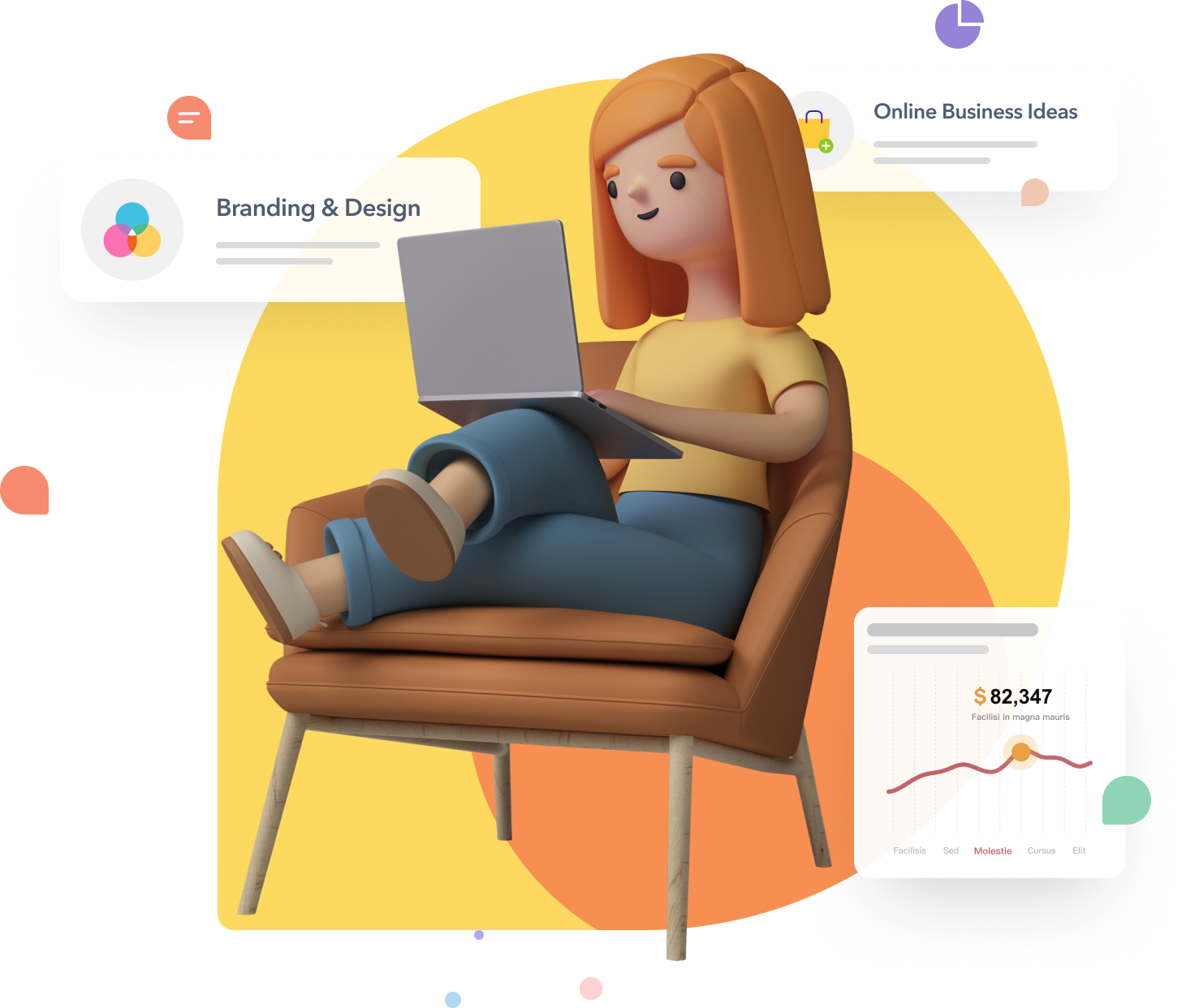
What We Do
Your proven customer acquisition system that increases conversion rates at every step of the customer journey so you can enjoy record breaking sales.
Effective Lead Generation
Strategically focused on high-intent leads generation tactics from Google, Bing, & YouTube.
Database Reactivation
Turn your old data into fresh appointments and sales, utilising our sales android that never rests.
Appointment Setting
Transform your contact rate and campaign profitability with our appointment setting sales android.

Get a good impression your brand on them.
We don't launch rockets. We just generate leads from Google, Bing and YouTube, connecting them with your team in real time. And you know what, we're bloody good at it.
Create your amazing feature.
Add your ideas here.
Give more your amazing feature or ides.
Costumer review.
See why customers love GHL Elite.

"If you're looking for an all-in-one app to help you increase sales and save time on follow-ups, I would highly recommend NexLevel CRM."
– Rachel Johnson


"Our team has been using NexLevel for a few months and we are very happy with the results. We've closed more deals than ever before and our sales team loves it."
– Mike Nord

"You never know what you're missing until you try NexLevel. We've been using it for 9 months and it has helped us double our pipeline and close more deals."
– Heather Mathewson

"Since using NexLevel over a year ago, I’ve generated $300k+ in new revenue and saved more than 20 hours per week on administrative tasks like reminders and reschedules."
– Ranjana Muthaliar
Blog
Your proven customer acquisition system that increases conversion rates at every step of the customer journey so you can enjoy record breaking sales.
Why Dental Implants Matter After Age 40
Discover the importance of dental implants for oral health and confidence after age 40. ...more
Trial
June 26, 2026•1 min read
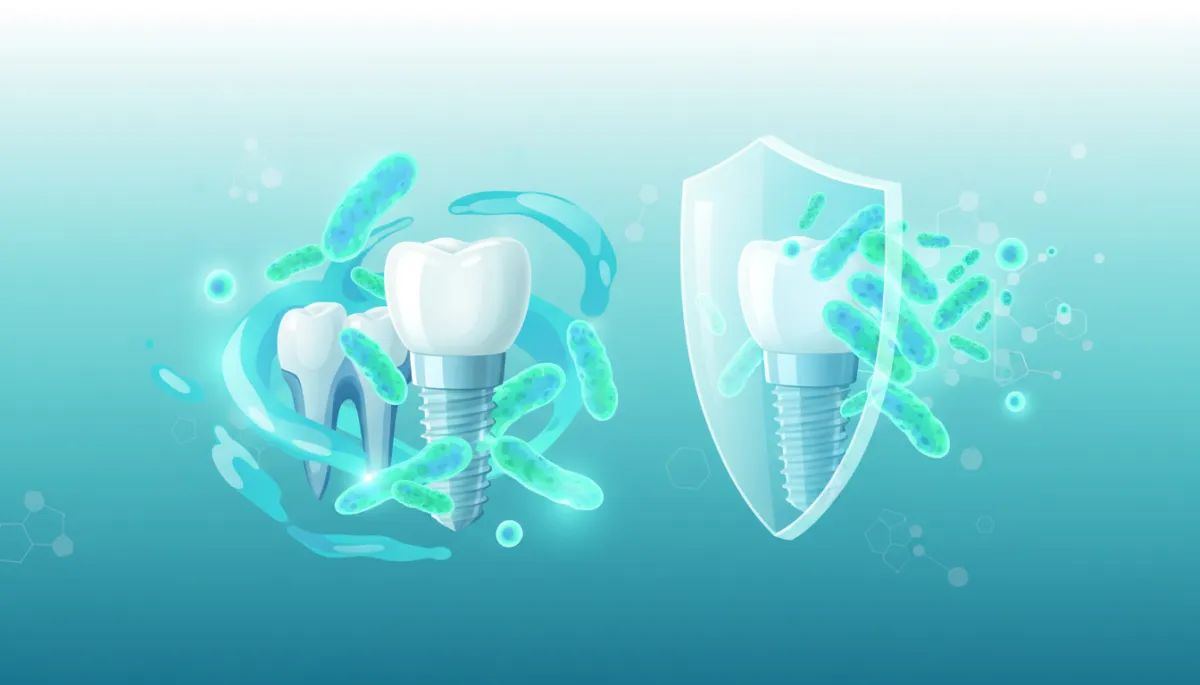
Impact of Bacteria on Dental Implant Success
Explore how bacterial contamination affects dental implant outcomes and strategies for control. ...more
Holistic Wellness
June 25, 2026•2 min read
Impact of Bacteria on Dental Implant Success
Explore how bacterial contamination affects dental implant outcomes and strategies for control. ...more
mistakes and Lessons
June 25, 2026•3 min read